Electrical Safety Tips for Beginners
Electrical Safety Tips for Beginners
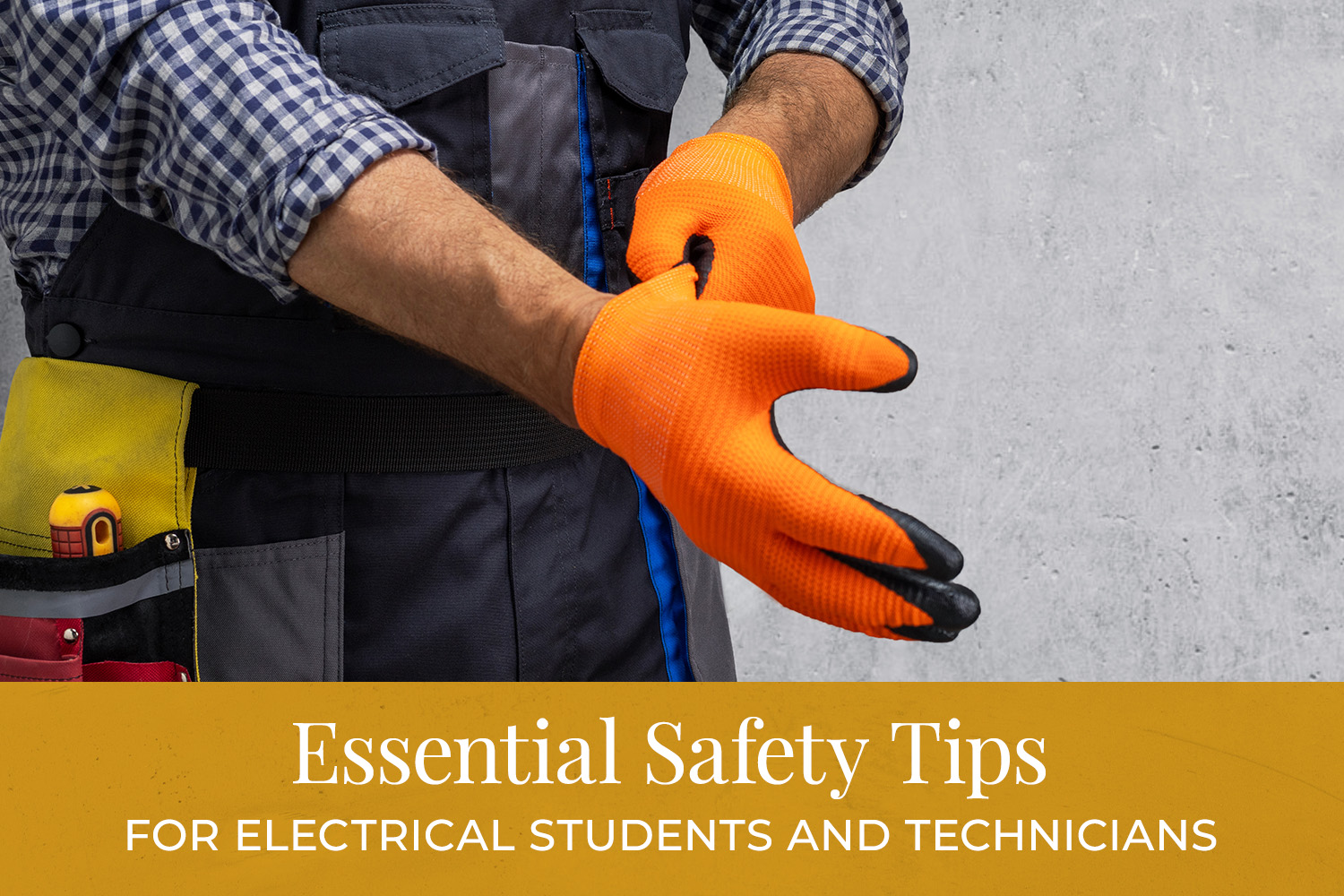
Working with electricity can be dangerous if proper safety steps aren’t followed. This guide gives simple, practical tips for beginners.
Introduction
Working with electricity can be dangerous if proper safety steps aren’t followed. Whether you’re fixing a small switch, installing a light, or doing any home electrical work, safety should always come first. This guide will help you understand the most important electrical safety tips every beginner should know.
Why Electrical Safety Matters
Electricity is powerful — it makes our lives easier but can also cause serious injuries, fires, or damage if mishandled. Knowing safety basics keeps you, your family, and your home safe.
Top Electrical Safety Tips
- Turn Off the Power
Always switch off the main power before working on any circuit or outlet. Use a tester to ensure there’s no live current. - Use the Right Tools
Insulated screwdrivers, pliers, and voltage testers protect you from shocks. Never use metal tools without insulation. - Avoid Wet Conditions
Never touch switches or electrical devices with wet hands. Water conducts electricity and can cause shocks. - Check for Damaged Wires
Frayed or cracked wires are dangerous. Replace them immediately or call a licensed electrician. - Don’t Overload Outlets
Plugging too many devices into one socket can cause overheating or short circuits. Use surge protectors where needed. - Use Proper Fuses and Breakers
Always use the correct rating for fuses and circuit breakers to avoid electrical overloads. - Hire a Professional for Major Work
If you’re not sure about a wiring or installation task, call a qualified electrician. Never guess when it comes to safety.
Common Electrical Safety Equipment
- Rubber gloves and boots – protect from electric shocks.
- Insulated tools – prevent direct contact with live wires.
- Voltage tester – confirms power is off before you start.
- Circuit breaker finder – helps identify circuits safely.
Conclusion
Electrical work can be safe and rewarding when done with care. By following these simple safety rules, you can prevent accidents and ensure your home’s electrical system works properly. Stay connected for more beginner-friendly guides and tips here at Electrical Work! ⚡

